Stay Efficient with Our Seasonal System Tune-Up
Trusted HVAC Solutions for Klein, TX Homeowners
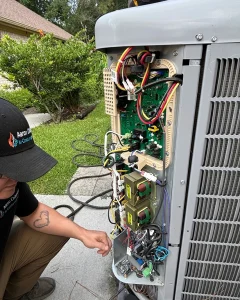
Understanding Your Home’s Comfort Needs
Living in Klein means dealing with hot, humid summers and mild winters that still require reliable heating. Your home’s climate control system works harder here than in many other parts of the country, running almost continuously from late April through October. Understanding how your system operates and what it needs to perform efficiently helps you avoid uncomfortable breakdowns and high utility bills.
Your air conditioning system removes both heat and moisture from indoor air, but Klein’s persistent humidity makes this dual function especially demanding. When outdoor temperatures climb into the 90s and humidity hovers near 70 percent, your equipment faces significant stress. Systems that aren’t properly maintained struggle to keep up, leading to uneven cooling, excessive cycling, and premature component failure.
Heating demands in Klein are less intense but still important. While extended freezes are rare, temperatures can drop into the 30s and 40s during winter months, requiring furnaces and heat pumps to maintain comfortable indoor conditions. Systems that sit unused for most of the year need attention before the heating season arrives to ensure they operate safely and efficiently when called upon.
Proper sizing matters significantly for both cooling and heating equipment. Oversized systems cycle on and off too frequently, failing to remove humidity effectively and wearing out components faster. Undersized systems run constantly without achieving desired temperatures, consuming excessive energy while leaving you uncomfortable. Professional load calculations account for your home’s square footage, insulation levels, window placement, and occupancy patterns to determine the right capacity for your specific situation.
Seasonal Maintenance Strategies
Preventive maintenance forms the foundation of reliable climate control in Klein. Spring maintenance visits before cooling season prepare your air conditioner for months of heavy use. Technicians clean condenser coils, check refrigerant levels, test capacitors, inspect electrical connections, and verify that all safety controls function properly. These inspections identify worn components before they fail during the hottest days of summer.
Fall maintenance focuses on heating equipment that has sat dormant through the summer months. Furnaces and heat pumps require inspection of burners or heat strips, verification of proper ignition, testing of safety switches, and examination of flue systems. Even though the heating season in Klein is relatively short, equipment must operate safely and efficiently when needed. Carbon monoxide risks from malfunctioning furnaces make professional inspection essential rather than optional.
Between professional visits, homeowners can perform important maintenance tasks that keep systems running smoothly. Changing air filters every 30 to 90 days, depending on household conditions, prevents restricted airflow that forces equipment to work harder. Keeping outdoor units clear of leaves, grass clippings, and debris ensures adequate airflow through condenser coils. Checking that supply and return vents remain unblocked by furniture or curtains allows proper air circulation throughout your home.
Thermostat settings significantly impact both comfort and energy consumption. During summer months in Klein, setting your thermostat to 78 degrees when home and slightly higher when away balances comfort with efficiency. Programmable and smart thermostats adjust temperatures automatically based on your schedule, reducing runtime when cooling isn’t needed. During winter, setting temperatures to 68 degrees while home and lower at night or when away minimizes heating costs without sacrificing comfort. Aaron Childress Air Conditioning & Heating Company provides guidance on optimal settings for your specific equipment and helps identify whether thermostat upgrades could improve your system’s performance and efficiency.
Recognizing Warning Signs
Your climate control system communicates problems through various symptoms that homeowners should recognize. Unusual sounds like grinding, squealing, or banging indicate mechanical issues requiring immediate attention. Grinding often signals worn bearings in motors or blowers. Squealing typically comes from worn belts or failing bearings. Banging or clanking sounds may indicate loose components or debris in the system.
Temperature inconsistencies throughout your home suggest problems with airflow, ductwork, or system capacity. If some rooms stay warmer than others during summer or cooler during winter, you might have blocked vents, leaking ducts, or undersized equipment. Airflow imbalances can also result from closed dampers, dirty coils, or failing blower motors. Professional evaluation identifies the specific cause and appropriate solution.
Rising energy bills without corresponding changes in usage patterns often indicate declining system efficiency. As components wear, systems consume more electricity to deliver the same cooling or heating output. Refrigerant leaks force compressors to run longer. Dirty coils reduce heat transfer efficiency. Failing capacitors prevent motors from running at proper speeds. Monitoring your monthly energy costs helps you spot efficiency problems before they lead to complete system failure.
Frequent cycling, where your system turns on and off repeatedly without running for normal periods, indicates problems requiring professional diagnosis. Short cycling can result from oversized equipment, thermostat problems, refrigerant issues, or failing control boards. This pattern not only reduces comfort and efficiency but also accelerates wear on compressors and other components, shortening equipment lifespan significantly.
Moisture problems, including water pooling around indoor units or excessive humidity inside your home, signal drainage issues or system malfunctions. Air conditioners remove significant moisture from indoor air, and condensate must drain properly through dedicated lines. Clogged drain lines cause water backup that can damage ceilings, walls, and flooring. If your home feels humid despite the air conditioner running, the system may be short cycling, undersized, or suffering from airflow restrictions that prevent proper dehumidification.
Improving System Performance
Beyond regular maintenance, several upgrades can significantly improve your system’s performance and efficiency. Adding insulation to attics and walls reduces the cooling and heating load your equipment must handle. In Klein’s climate, adequate attic insulation prevents intense summer heat from radiating into living spaces, allowing air conditioners to maintain comfortable temperatures with less runtime.
Sealing air leaks around windows, doors, and ductwork prevents conditioned air from escaping and unconditioned air from entering your home. Duct leakage in attics and crawl spaces is particularly wasteful in Klein, where extreme attic temperatures force your system to overcome significant heat gain or loss before conditioned air reaches living spaces. Professional duct sealing can reduce energy waste by 20 to 30 percent in homes with leaky ductwork.
Upgrading to high-efficiency equipment makes financial sense when replacing aging systems. Modern air conditioners with SEER ratings of 16 or higher consume significantly less electricity than older 10 SEER units common in homes built before 2006. Variable-speed technology provides superior humidity control and comfort compared to single-stage systems, running more consistently at lower speeds rather than cycling on and off repeatedly.
Air quality enhancements, including upgraded filtration, UV lights, and whole-home dehumidifiers, improve comfort and health for Klein residents. Standard one-inch filters capture large particles but allow smaller allergens, mold spores, and bacteria to circulate. Media filters and electronic air cleaners remove much smaller particles, reducing allergy symptoms and respiratory irritation. Whole-home dehumidifiers work alongside your air conditioner to maintain optimal humidity levels between 40 and 50 percent, preventing mold growth and improving comfort.
Smart home integration allows remote monitoring and control of your climate control system through smartphone apps. Smart thermostats learn your preferences and schedule, adjusting temperatures automatically to maximize efficiency without sacrificing comfort. Some models provide maintenance reminders, filter change alerts, and diagnostic information that helps you stay ahead of potential problems.
Making Replacement Decisions
Deciding whether to continue maintaining an aging system or invest in replacement requires careful consideration of multiple factors. Age is a primary consideration, with most air conditioners lasting 12 to 15 years and furnaces lasting 15 to 20 years when properly maintained. As systems approach or exceed these lifespans, repairs become more frequent and costly while efficiency declines.
The frequency and cost of recent repairs help guide replacement decisions. If you’ve spent more than half the cost of a new system on repairs in the past two years, or if a major component like a compressor or heat exchanger has failed, replacement typically makes better financial sense than continued maintenance of failing equipment. Multiple service calls each season indicate systemic problems that will likely continue.
Current energy costs compared to what modern equipment could achieve factor into replacement calculations. If your monthly cooling bills during summer months in Klein consistently exceed what neighbors with similar homes pay, your system may be operating inefficiently. Modern equipment can reduce energy consumption by 30 to 50 percent compared to systems installed before 2005, generating monthly savings that offset replacement costs over the equipment’s lifespan.
Comfort problems that persist despite repairs suggest your current system cannot adequately serve your home. If some rooms never reach comfortable temperatures, humidity remains high despite the air conditioner running constantly, or temperature swings make your home uncomfortable between cycles, these issues often stem from improper sizing or outdated technology that repairs cannot address.
Financing options and available rebates can make replacement more affordable than homeowners expect. Many manufacturers and utility companies offer rebates for high-efficiency equipment that reduce upfront costs. Financing programs spread payments over time, and monthly savings on energy bills help offset payment amounts. Tax credits for qualifying high-efficiency systems provide additional financial incentives that improve the return on investment for upgrades.
Aaron Childress Air Conditioning & Heating Company provides honest assessments of whether maintenance or replacement best serves Klein homeowners. Our technicians evaluate your current system’s condition, discuss your comfort goals and budget constraints, and present options that fit your specific situation. We guide you through equipment selection, efficiency ratings, sizing calculations, and financing options, ensuring you make informed decisions about your home’s climate control.